
Valentine’s Day isn’t really about gifts.
It’s about emotion.
People don’t shop rationally in early February. They shop with feeling. Love, care, closeness, sometimes even pressure. And the brands that understand this don’t push harder discounts — they show better visuals.
That’s where conversions happen.
In the weeks before Valentine’s Day, shoppers slow down and look closer. They imagine moments. A gift being opened. A reaction. A shared experience. Your product photos need to support that imagination, not interrupt it.
Cold studio shots don’t work well here.
Perfectly cut-out products feel distant.
What works is warmth.
Soft lighting.
Closer framing.
Scenes that feel human instead of polished.
Photos that look like real moments, not campaigns.
Even small visual cues make a difference. A warmer color tone. A slightly tighter crop. A background that suggests intimacy instead of space. These details help shoppers emotionally place the product into a relationship, not just a cart.
And this is where many brands struggle.
They want Valentine’s visuals, but they don’t want another photoshoot. Or there’s no time. Or the campaign idea comes too late.
That’s exactly why AI-powered visuals have become so valuable for seasonal moments like this.

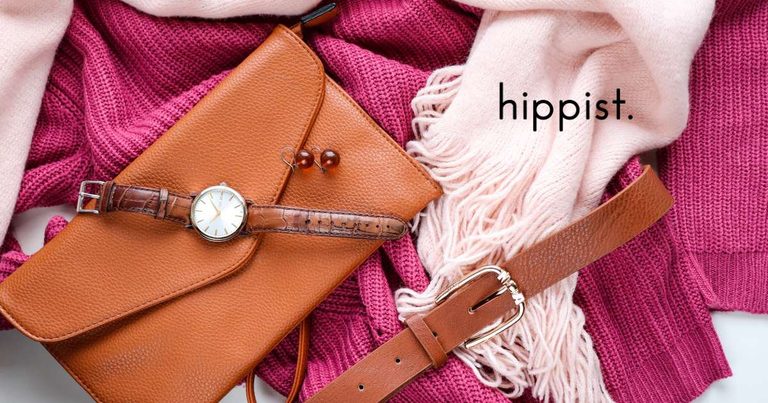
With hippist AI, brands take their existing product photos and turn them into Valentine-ready visuals in minutes. Warmer lighting. Lifestyle context. Romantic tones. Gift-focused scenes. No reshoots. No delays.
The product stays the same.
The feeling changes.
And when the feeling changes, conversion rates usually follow.
Valentine’s Day isn’t about being loud. It’s about being relevant.
If your visuals match how people feel, you don’t need to convince them. You just need to show up correctly.