A customer visits your online store looking for a jacket.
They find one they like. The color is right, the fit looks good, and the price is within their budget. They add it to their cart.
That’s a successful shopping experience.
But imagine if, instead of seeing that jacket in isolation, they saw it styled with a pair of boots, a handbag, and a scarf that perfectly complemented it.
Suddenly, they’re not just looking at a jacket.
They’re looking at an outfit.
And that changes the shopping experience entirely.
One of the biggest missed opportunities in e-commerce is treating every product as an independent purchase. Brands invest heavily in attracting customers, bringing them to product pages, and convincing them to buy individual items. Yet they often overlook something physical retailers have understood for decades: customers don’t always shop for products. Sometimes, they shop for ideas.
Walk into a well-designed fashion store, and you’ll rarely see every item presented in isolation. Mannequins wear complete outfits. Accessories sit beside complementary clothing. Collections are arranged to help shoppers imagine how different pieces work together.
These displays do more than make the store look attractive.
They help customers discover things they weren’t originally looking for.
A customer who came in for a jacket might leave with a complete outfit because the store made it easy to see how everything worked together.
Online stores can create the same experience, but product photography often gets in the way.
A jacket appears on one product page. The boots are somewhere else. The handbag is buried in another category. Customers have to imagine how the pieces might look together, search for them individually, and decide whether they’re worth adding to the cart.
Most won’t go through all that effort.
Not necessarily because they aren’t interested.
Because the connection between the products was never made visible.
This is where visual merchandising becomes more than a design decision. It becomes a way to help customers discover products and build more complete purchases.
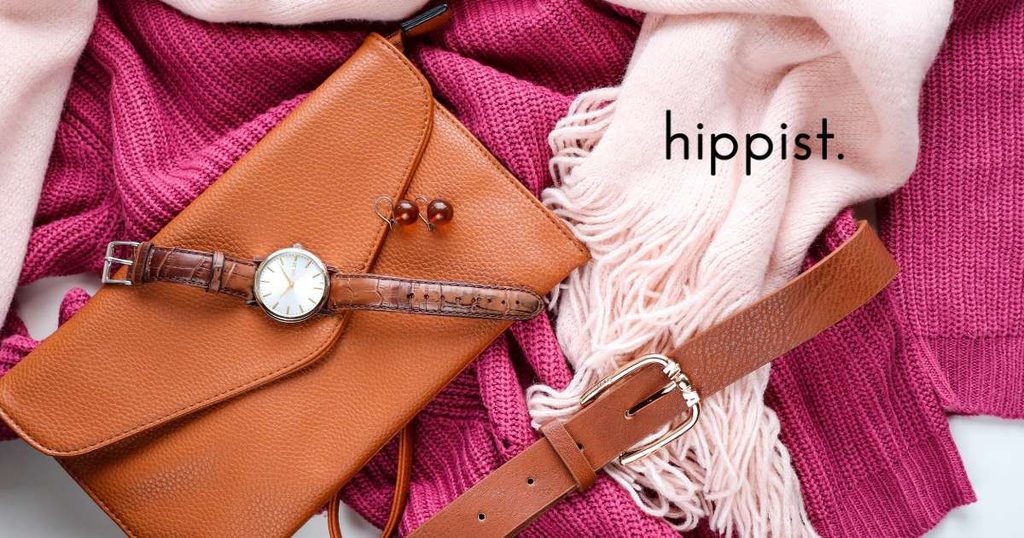
Instead of showing a handbag against a plain background, imagine presenting it as part of an elegant evening outfit. Rather than displaying a pair of boots alone, show how they complement a coat from the same collection.
The image becomes more than a representation of one product.
It becomes an invitation to explore several.
For fashion and accessories brands, this approach feels particularly natural. People rarely think about clothing as completely separate objects. They think about what goes together, what works for a particular occasion, and how different pieces contribute to their personal style.
A well-styled image answers those questions before customers even ask them.
It also creates opportunities for cross-selling that feel useful rather than intrusive.
There’s a difference between showing someone a random selection of recommended products and presenting a carefully considered outfit that makes sense for their needs.
One feels like an algorithm trying to increase their basket size.
The other feels like helpful styling advice.
Of course, creating complete lifestyle imagery for every product combination has traditionally been difficult. Photographing a jacket is one thing. Producing multiple coordinated looks featuring different accessories, models, and environments requires considerably more planning and production.
That’s where AI opens up new possibilities.
With hippist AI, brands can transform existing product images into lifestyle scenes, explore different styling directions, and create visual concepts that show how products fit into a broader look.
A handbag can be presented in a casual daytime setting or an elegant evening environment. A jacket can appear in different seasonal contexts. Accessories can be incorporated into coordinated campaign concepts that help customers understand how they might use them.
These visuals can become the starting point for product discovery, especially when paired with shoppable images, complete-the-look sections, or direct links to the featured items.
The important part is making the experience seamless.
If a customer sees an outfit they love, they should be able to find the individual pieces without searching through your entire catalog.
And if you’re using AI-generated styling imagery, the products shown should accurately represent the items customers can actually purchase.
Because the goal isn’t simply to create a beautiful image.
It’s to make shopping easier.
As brands prepare for the holiday season, this approach becomes even more relevant. Customers are looking for outfits for special occasions, accessories to complement existing wardrobes, and combinations of products that work well together.
Showing them individual items is useful.
Showing them what those items can become together is even more powerful.
Your next opportunity to increase average order value might not require another discount, a new product launch, or a more aggressive sales campaign.
It might simply require helping customers see the possibilities already sitting in your catalog.