
Most e-commerce product pages are designed around a simple assumption.
The person browsing is the person who will use the product.
A customer looking at a jacket wants to know how it will fit. Someone considering a handbag imagines how it might work with their wardrobe. They compare colors, materials, and styles based on their own preferences.
But during the holiday season, something changes.
A significant part of your audience is no longer shopping for themselves.
They’re shopping for someone else.
And that changes almost everything about how they make purchasing decisions.
Imagine someone looking for a handbag for their partner. They might know the brands their partner likes, but they’re less certain about the exact style, size, or color. They want to choose something thoughtful, but they’re also worried about getting it wrong.
The product page might have beautiful photography, detailed specifications, and several lifestyle images. Yet none of those things necessarily answer the question that matters most to this particular customer:
“Would this make a good gift for someone I care about?”
That’s a different question from the one your usual product imagery is designed to answer.
When customers shop for themselves, they can rely on their own preferences. They know what they like, what they already own, and how a product might fit into their lives.
Gift buyers have to make those decisions on someone else’s behalf.
They often have less information, more uncertainty, and a different emotional motivation. They’re not simply purchasing a product. They’re trying to create a moment.
And that creates an opportunity for brands to rethink how they present their products during the holiday season.
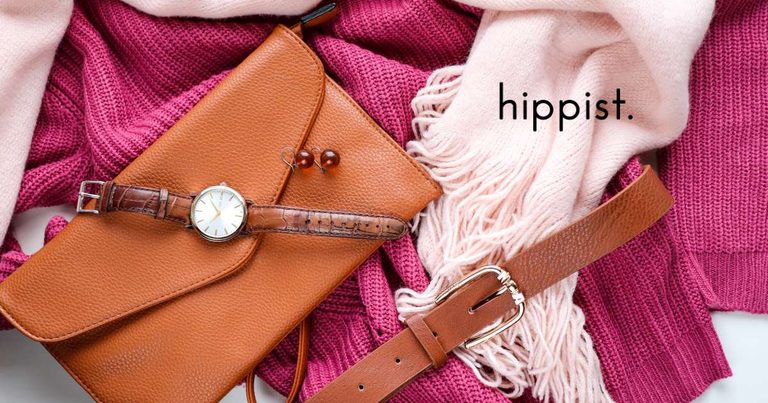
A handbag photographed against a clean background communicates its design. A lifestyle image helps customers imagine how it might be worn. But that same handbag presented as part of an elegant holiday gifting scene can communicate something else entirely.
It helps the customer imagine giving it.
The product becomes part of a larger experience: the occasion, the recipient, and the feeling of choosing something special.
This is where visual storytelling can make gift shopping easier.
Instead of relying entirely on traditional product photography, brands can introduce imagery that reflects the situations in which their products might be given. A carefully styled accessories collection can become a holiday gift guide. A winter scarf can appear in a cozy seasonal setting. A handbag can be presented alongside complementary accessories as part of a curated gifting concept.
These visuals aren’t just decorative.
They help customers understand the role a product could play in someone else’s life.
They can also make product discovery more intuitive.
Someone shopping for a gift may not know exactly what they’re looking for. They might start with a budget, an occasion, or a vague idea of the recipient’s style.
Presenting products through thoughtful visual themes can help them narrow their choices without requiring them to search through an entire catalog.
A collection of understated accessories might appeal to someone looking for a gift for a minimalist. A selection of colorful statement pieces could help someone shopping for a more expressive personality. A curated set of everyday essentials might be useful for a customer who wants something practical but still thoughtful.
The important distinction is that the brand is helping the customer shop for a person, not simply browse a category.
Of course, gift-oriented visuals work best when they’re supported by useful information. Clear sizing details, accurate product representation, delivery expectations, gift packaging options, and return policies can all help customers feel more confident about their decisions.
A beautiful image might inspire someone to consider a product.
But confidence is what helps them complete the purchase.
For many brands, creating a separate visual experience for holiday gifting has traditionally meant organizing another seasonal photoshoot. That can be difficult to justify, especially when the same products already have perfectly good catalog images.
AI makes it possible to approach the problem differently.
With hippist AI, brands can transform existing product photos into seasonal lifestyle scenes, explore different gifting concepts, and create holiday campaign visuals without rebuilding their entire product photography library.
A product originally photographed for everyday use can be presented in a holiday setting. An accessories collection can become part of a coordinated gift guide. Existing product images can be adapted to communicate different occasions and gifting moments while preserving the products themselves.
That flexibility allows brands to create visual experiences for different shopping motivations, not just different marketing channels.
And as the holiday season approaches, that distinction becomes increasingly valuable.
Your customers aren’t always asking themselves whether they want your product.
Sometimes, they’re wondering whether someone they love would want it.
Your visuals should help them answer that question.