Black Friday is one of the few moments in the year when customers actively go looking for brands they’ve never purchased from before.
They browse stores they don’t usually visit. They explore unfamiliar products. They take chances on brands that might otherwise have been outside their consideration.
For e-commerce businesses, that’s a huge opportunity.
But there’s a difference between acquiring a customer and building a relationship with one.
A customer might discover your brand through a Black Friday ad, visit your website, find a product they like, and complete a purchase because the price feels right.
That’s a successful transaction.
But what happens after the order arrives?
Will they remember your brand three months later? Will they recognize your next campaign? Will they think of you when they need something similar?
Or will you have to pay to acquire them all over again?
These questions become particularly important during peak shopping season, when brands invest heavily in attracting new customers. It’s easy to focus on conversion rates, revenue, and the number of first-time buyers while overlooking what happens after the initial purchase.
Yet the long-term value of a Black Friday customer depends on much more than the first order.
It depends on whether the brand gives them a reason to return.
And that relationship often begins with something surprisingly simple: being remembered.
Think about the last time you discovered a fashion brand through an advertisement. You might remember the product, the price, or even the campaign itself. But can you remember the brand behind it?
When promotional campaigns focus almost entirely on discounts, the offer can become more memorable than the company making it.
Customers remember that they found a good deal.
They don’t necessarily remember where.
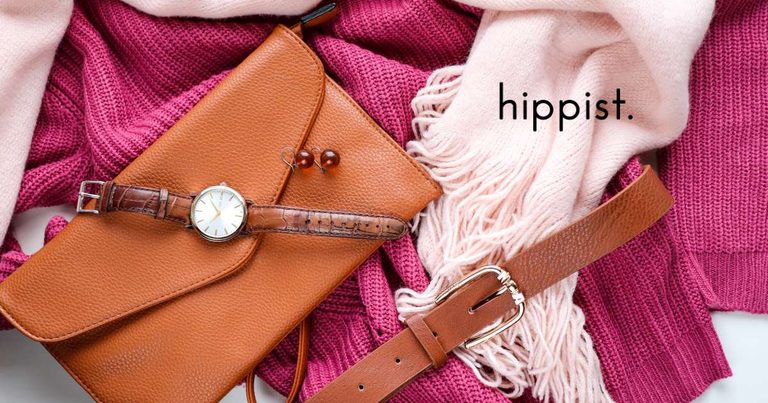
That’s why the visual identity surrounding a promotion matters. The photography, styling, colors, composition, and overall atmosphere of a campaign all contribute to how customers recognize and remember a brand.
A distinctive visual experience gives customers something to associate with the purchase beyond the price they paid.
But that experience shouldn’t disappear once the transaction is complete.
Imagine a customer discovering your brand through a beautifully styled winter campaign. They purchase a coat, receive their order, and begin wearing it.
A few weeks later, they receive an email featuring complementary accessories presented in the same visual world that originally attracted them. Later, they encounter a social media campaign introducing your new collection, with a familiar aesthetic and styling direction.
The products are different.
The occasion has changed.
But the brand feels recognizable.
Each interaction builds on the previous one instead of starting a completely new conversation.
This is where customer retention and visual marketing become connected.
Repeat purchases aren’t driven by beautiful images alone. Product quality, customer service, delivery experience, pricing, and relevance all play important roles.
But visual storytelling can help maintain the relationship between purchases.
It reminds customers what attracted them to the brand in the first place. It introduces new products in a familiar context. And it helps customers recognize the brand when they encounter it again, whether that’s through an email, an advertisement, or a marketplace listing.
For fashion and accessories brands, this creates an opportunity to move beyond isolated product promotions.
Someone who purchased a handbag during Black Friday might be interested in complementary accessories, new seasonal colors, or a collection that reflects the same personal style.
Rather than sending another generic discount message, the brand can introduce those products through relevant lifestyle imagery that connects naturally with the customer’s original purchase.
The communication becomes less about asking someone to buy again and more about continuing the relationship.
Of course, maintaining a consistent visual experience across acquisition campaigns, post-purchase communications, and future collections requires a steady flow of creative assets.
That’s where AI can make the process more practical.
With hippist AI, brands can transform existing product photos into new lifestyle scenes, seasonal variations, and campaign-ready visuals while maintaining a recognizable creative direction.
A successful Black Friday visual concept can become the foundation for a winter accessories campaign. Existing product imagery can be adapted for follow-up emails, product recommendations, and new collection announcements without requiring a completely new photoshoot for every interaction.
The result is a more connected visual experience that can evolve alongside the customer’s relationship with the brand.
And that matters because the holiday shopping season doesn’t really end when the promotions stop.
For many customers, Black Friday is simply their first introduction to a brand.
What happens next determines whether that introduction becomes something more meaningful.
As you prepare your holiday campaigns, it’s worth thinking beyond the immediate sale.
What will customers remember about your brand after their order arrives?
What will make your next collection feel familiar?
And what kind of experience will give them a reason to return when there isn’t a discount waiting for them?
Black Friday can bring customers through the door.
But the real opportunity is giving them a brand they’ll want to come back to.