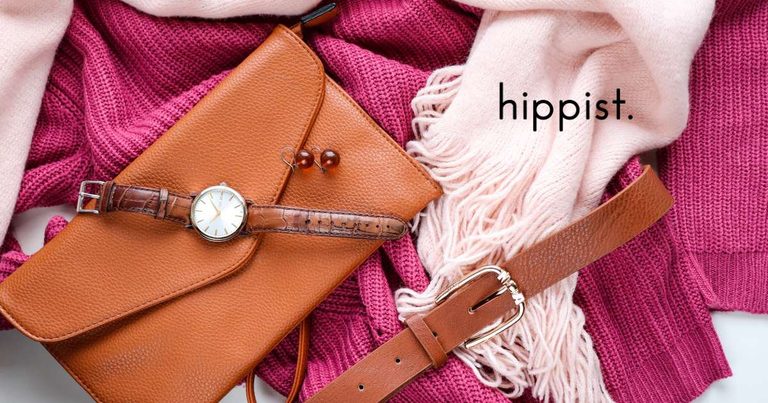

People often talk about product photography as if its main job is to make products look attractive.
Of course, presentation matters. A beautiful image can capture attention, communicate quality, and make someone stop scrolling. But once a customer becomes interested, the image has a much more important job to do.
It has to answer questions.
Online shopping comes with a disadvantage that physical retail doesn’t have. Customers can’t pick up the product. They can’t feel the fabric, examine the material from different angles, try it on, or see how it looks in a real environment. Every piece of missing information creates a little uncertainty between interest and purchase.
How big is it really?
What will it look like on me?
How does that fabric fall?
Will this bag work with the way I normally dress?
Does this product look as premium in real life as it does in the hero image?
A strong product page gradually removes those questions.
That’s why one perfect product image is rarely enough.
A clean studio shot might explain the product clearly, but it doesn’t necessarily show how it fits into someone’s life. A model image can demonstrate fit and proportion, while a close-up reveals texture and construction. A lifestyle scene adds context. Different angles help customers understand details they would naturally inspect if the product were sitting in front of them.
Each visual removes another reason to hesitate.
This changes the way brands should think about product photography. Instead of asking, “Do we have enough images?”, the better question is, “What might someone still be unsure about after seeing them?”
That small shift turns product imagery from decoration into information.
And it becomes even more important for categories like fashion and accessories, where context plays a huge role in purchase decisions. A dress isn’t experienced as an isolated object on a white background. Customers imagine wearing it somewhere. A handbag isn’t simply evaluated by its shape and material. People picture how it looks with an outfit, how large it appears next to a person, and whether it fits the identity they’re trying to express.
The closer your visuals bring customers to that experience, the smaller the gap between browsing online and experiencing the product in real life.
Historically, closing that gap was expensive.
Every additional model, environment, styling direction, or lifestyle scenario meant more production. Brands had to decide which images were important enough to justify the cost, so many products ended up with only the essential shots.
AI changes that equation.
With hippist AI, brands can take existing product images and expand the visual story around them. A studio image can become a lifestyle scene. Products can be presented on different AI models, in different environments, or within different creative contexts without organizing another traditional photoshoot.
That doesn’t mean generating more images simply because you can.
More images aren’t automatically more useful.
The opportunity is to create the right additional images: the ones that answer questions customers would otherwise have to answer with their imagination.
Because uncertainty is one of the biggest enemies of online conversion.
Every unanswered question gives customers another reason to wait, search elsewhere, compare alternatives, or abandon the purchase entirely.
The best product photography doesn’t simply make someone think:
“That looks good.”
It helps them think:
“I know exactly what I’m getting.”