
There was a time when one or two product photos were enough.
A front view. Maybe a close-up. A white background. That was all shoppers expected.
Not anymore.
Today, people make buying decisions faster than ever—but they also expect more confidence before they click “Add to Cart.” They want to see how a product looks, how it fits into real life, how big it is, how it’s used, and whether it feels right for them. A single hero image simply can’t answer all of those questions.
That’s why the modern product page is changing.
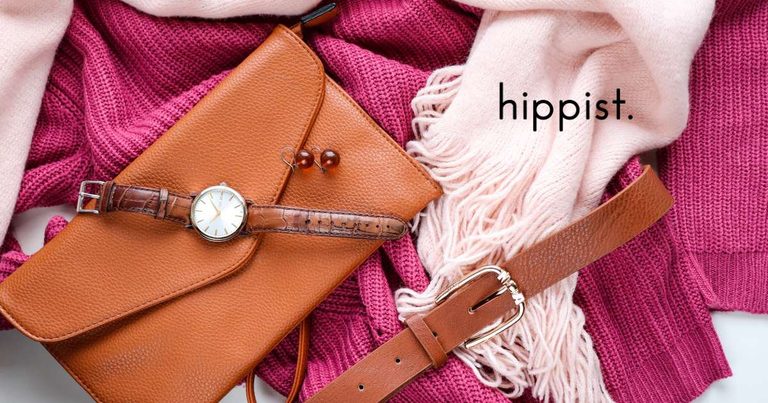
The best-performing PDPs no longer rely on one perfect photo. Instead, they tell a visual story. A clean product shot introduces the item. A lifestyle image shows it in context. An in-scale photo answers size questions. Different angles reveal details. Each image removes a little more uncertainty until making a purchase feels like the obvious next step.
This shift isn’t just about improving the shopping experience.
It’s also changing how brands think about content production.
If every campaign, season, audience, and marketplace needs slightly different visuals, creating new photos every time quickly becomes impossible. Traditional photoshoots weren’t designed for this level of flexibility.
That’s why more brands are building adaptable visual libraries instead of static image galleries.
Instead of treating product photos as finished assets, they’re treating them as starting points. One strong product image becomes dozens of variations for different campaigns, channels, and customer segments. The product stays consistent, but the presentation evolves.
This approach makes product pages more useful without making production more complicated.
With hippist AI, brands can transform existing product photos into multiple contextual variations without scheduling another shoot. New backgrounds, seasonal settings, lifestyle scenes, different compositions, and marketplace-ready formats can all be created from the same original asset. The result is a richer product page that gives shoppers more confidence while helping creative teams move much faster.
The future of product pages isn’t about adding more images.
It’s about showing the right image at the right moment.
Because every visual has a job. Some attract attention. Some answer questions. Some build trust.
Together, they help customers make decisions with confidence.